-
Iron oxide pigments for architectural coatings industrial finishes construction materials artistic creations outdoor decor
Iron oxide pigments stand as essential components in numerous industries, offering rich, stable colors that enhance appearance and durability of various products. These pigments derive from natural or synthetic sources—natural variants extracted from mineral deposits, synthetic ones produced through controlled chemical reactions—boasting unique properties that make them indispensable in fields ranging from construction to art. Unlike many other colorants, iron oxide pigments resist fading caused by sunlight, moisture, and extreme temperature changes, ensuring long-lasting vibrancy in diverse environments, from arid deserts to humid coastal areas. Their compatibility with different substrates—including concrete, metal, wood, and plastics—also makes them versatile choice for professionals and enthusiasts alike, seamlessly integrating into various production and creative processes without compromising performance.Architectural coatings represent one of primary applications for iron oxide pigments. Paints and primers containing these pigments adorn exteriors and interiors of buildings, providing not only aesthetic appeal but also robust protection against harsh elements such as acid rain and industrial pollutants. Exterior wall paints infused with iron oxide pigments maintain their color even after years of exposure to rain, snow, and UV rays, reducing need for frequent repainting and lowering long-term maintenance costs. Interior spaces benefit from warm, earthy tones of iron oxide pigments—shades like terracotta, ochre, sienna, and burnt umber add warmth to living rooms, bedrooms, and commercial lobbies, creating cozy and inviting atmospheres. Decorative coatings for ceilings, columns, and moldings also use these pigments to create textured or matte finishes; when mixed with inert fillers, they form finishes that mimic natural stone, elevating overall design while maintaining affordability.Industrial finishes rely heavily on iron oxide pigments to enhance both function and appearance of machinery, equipment, and metal structures. Manufacturers incorporate these pigments into coatings for automotive parts (such as wheel rims and undercarriage components), farm machinery exposed to outdoor elements, and industrial pipes transporting fluids—forming protective barrier against rust and corrosion that extends service life of these products. Color coding of industrial components also uses iron oxide pigments—distinct hues (like rust red, deep brown, and olive green) help workers identify different parts, pipelines, and safety equipment quickly, improving safety and efficiency in factories and construction sites. Even metal furniture and appliances feature finishes containing iron oxide pigments, as they resist scratches, stains, and daily wear, maintaining sleek appearance over time while withstanding frequent cleaning.Construction materials represent another major area where iron oxide pigments shine. Concrete products such as paving stones, bricks, roof tiles, and decorative aggregates are often colored with these pigments, transforming plain gray material into visually appealing elements that blend with surrounding landscapes. Colored concrete pavers line walkways, driveways, and plaza floors, adding character to residential and commercial properties while resisting abrasion from foot and vehicle traffic. Roof tiles tinted with iron oxide pigments not only complement building exteriors but also reflect sunlight to reduce indoor temperatures, contributing to energy efficiency in buildings. Even precast concrete elements like fences, retaining walls, and decorative panels use these pigments to match architectural styles—from modern minimalist designs with bold, solid colors to traditional styles mimicking natural stone textures—without sacrificing structural integrity.Artistic creations and crafts benefit greatly from unique properties of iron oxide pigments. Artists have used natural iron oxide pigments for centuries—valued for their opacity and lightfastness—as they blend easily with binders (such as linseed oil for oils, gum arabic for watercolors) to create oil paints, watercolors, pastels, and even frescoes. These pigments offer rich, earthy tones that add depth and realism to landscapes (capturing soil and rock hues), portraits (enhancing skin tones), and abstract works (providing bold, grounded colors). Crafters incorporate iron oxide pigments into pottery and ceramics, applying them as glazes or underglazes; when fired, pigments fuse with clay surfaces to create intricate patterns and textures that resist chipping. Even DIY projects like homemade candles, soap, resin art, and handmade paper use these pigments to add color, as they mix well with different mediums, retain their hue without bleeding, and remain stable under varying conditions.Outdoor decor and landscaping projects also leverage durability and color stability of iron oxide pigments. Garden ornaments such as statues, planters, birdbaths, and decorative fountains are coated with pigments to resist fading, weathering, and mold growth, ensuring they remain attractive in gardens for years regardless of sun exposure or rainfall. Colored mulch and decorative stones treated with iron oxide pigments add pops of color to flower beds, borders, and pathways, enhancing overall beauty of outdoor spaces while resisting leaching of color into soil. Public parks and recreational areas use these pigments in decorative concrete elements like benches, picnic tables, and playground surfaces—formulating them into non-slip coatings that withstand heavy use, extreme temperatures, and frequent exposure to water, ensuring safety and longevity.Another advantage of iron oxide pigments is their exceptional consistency in color. Unlike natural dyes that vary in shade due to differences in source materials and extraction processes, these pigments undergo strict quality control during production, offering uniform color batches that match precise specifications. This consistency ensures that products maintain consistent appearance across production runs—critical for industries like construction (where matching wall paints or concrete elements across large projects is essential) and automotive (where replacement parts must blend seamlessly with original finishes). Professionals trust iron oxide pigments to deliver predictable results, reducing rework, saving time, and minimizing material waste that comes with color mismatches. -
Iron oxide pigments for sustainable living circular economy green construction architectural coatings industrial coloring color stability weather resistance concrete staining interior decoration
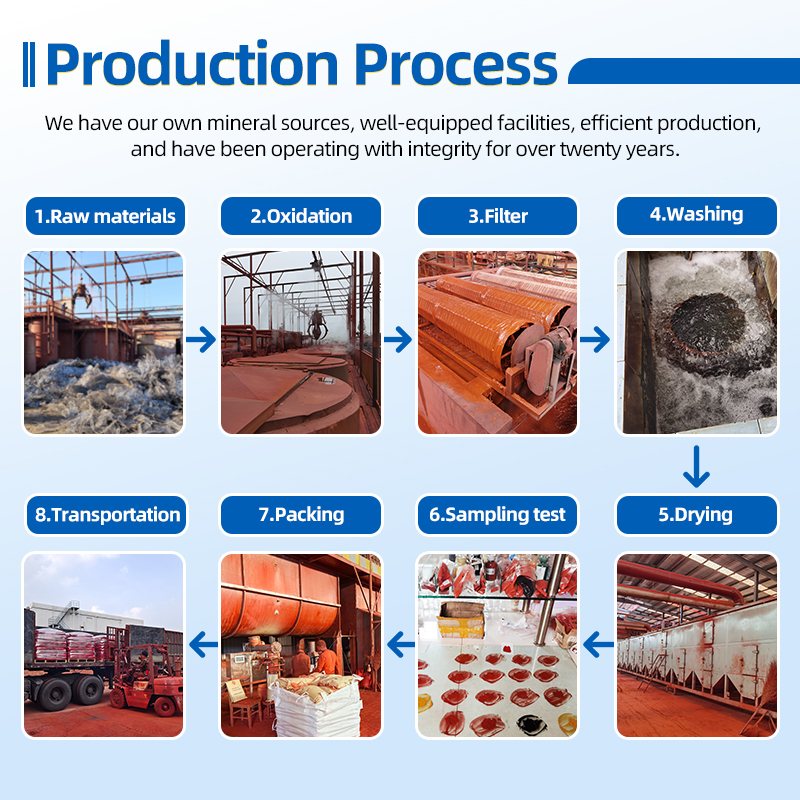
Iron oxide pigments stand as versatile eco-friendly materials that link sustainable living and circular economy, adapting innovatively to diverse demands of green construction, architectural coatings, and interior decoration. Unlike synthetic pigments relying on toxic chemical synthesis or emitting harmful byproducts, iron oxide pigments originate from natural iron ore deposits or eco-friendly synthetic processes. This unique origin endows them with inherent color stability and exceptional weather resistance, traits that distinguish them from conventional coloring materials. Serving as core component in industrial coloring, concrete staining, and architectural finishes, iron oxide pigments transcend single-function roles to become multi-purpose solutions blending natural properties, functional performance, and environmental responsibility.Resource foundation of iron oxide pigments combines natural abundance and ecological harmony. Natural iron oxide pigments are extracted from iron ore deposits rich in hematite and goethite, distributed across diverse geological zones. Synthetic iron oxide pigments are produced via controlled chemical reactions using iron-rich byproducts from steel manufacturing, realizing waste reuse. Extraction and production adhere to strict eco-friendly standards: natural mining adopts surface extraction to avoid deep geological disturbance, and mined areas undergo vegetation restoration; synthetic processes use closed-loop systems to capture emissions and recycle wastewater. Circular economy is practiced in waste management: pigment residues from production are reused as iron supplements in construction materials, minimizing resource waste.Production processes of iron oxide pigments focus on preserving core properties and reducing environmental impact. Natural pigments undergo physical processing: ore crushing, grinding, and sieving to separate pigment particles from impurities, with no toxic chemicals used. Synthetic pigments use low-temperature chemical reactions to control particle size and color shade, avoiding high-energy consumption. Post-production treatment includes washing and drying with solar-powered systems to cut carbon footprint. For specialized applications like architectural coatings, pigments undergo surface modification to enhance dispersion in binders, ensuring uniform coloring without affecting environmental performance. These processes retain iron oxide pigments’ color stability while optimizing compatibility with diverse substrates.Core properties of iron oxide pigments make them irreplaceable across industries. Color stability ensures long-lasting hue retention: they resist fading caused by sunlight, rain, and temperature changes, maintaining consistent appearance in outdoor and indoor environments. Weather resistance allows use in harsh conditions: applied to exterior building surfaces, they withstand extreme heat, cold, and moisture without degradation. Chemical inertness ensures compatibility with concrete, coatings, and plastics, avoiding reactions that alter color or material performance. Non-toxic nature makes them suitable for interior spaces, as they release no volatile organic compounds. Wide color range—from red and yellow to black and brown—meets diverse coloring needs in construction and industrial sectors.Iron oxide pigments excel in diverse application scenarios. Green construction leverages their weather resistance and color stability: added to concrete, they stain pavements, wall panels, and landscape elements, eliminating need for decorative tiles and reducing material waste. Architectural coatings use them to color exterior and interior paints: exterior paints with iron oxide pigments retain color for years, reducing repainting frequency; interior paints offer warm, natural hues that complement modern and traditional design styles. Industrial coloring applies them to plastics and ceramics: mixed into plastic pipes and containers, they provide UV protection and color coding; added to ceramic tiles, they create earthy tones for floors and walls. Concrete staining is a key application: iron oxide pigments penetrate concrete surfaces, creating permanent color that resists peeling and wear, ideal for commercial plazas and residential driveways.Quality control of iron oxide pigments is tailored to specific applications. For architectural coatings, color fastness tests expose pigments to simulated sunlight and rain for extended periods to verify fading resistance. For concrete staining, penetration depth tests ensure color permanence, and compatibility tests check adhesion to concrete substrates. For industrial plastics, heat stability tests confirm color retention at processing temperatures. For interior decoration, volatile organic compound tests ensure non-toxicity. Both natural and synthetic pigments undergo particle size analysis to ensure uniform dispersion, preventing color streaks. Recycled pigment residues undergo purification tests to remove impurities, followed by performance tests to match virgin pigment standards.In conclusion, iron oxide pigments stand as cornerstone eco-friendly coloring materials aligning with sustainable living and circular economy. Their natural or waste-derived origin and eco-friendly production preserve core traits of color stability and weather resistance—traits driving value in green construction, architectural coatings, industrial coloring, and interior decoration. Unlike toxic synthetic pigments that harm ecosystems, iron oxide pigments’ lifecycle minimizes environmental impact from extraction/production to waste reuse. Diverse applications demonstrate versatility: enhancing building durability with weather-resistant finishes, creating healthy indoor environments with non-toxic hues, and enabling sustainable industrial coloring. As demand for eco-friendly, long-lasting pigments grows, iron oxide pigments will remain vital choice, connecting natural resources and industrial needs in sustainable ways. -
Iron oxide pigments for sustainable construction coloring eco friendly production process color stability performance multi scene adaptation durable coating application decorative material enhancement
Iron oxide pigments are inorganic colorants derived from iron oxides. They come in various colors, including red, yellow, and black, thanks to different oxidation states of iron. These pigments are highly stable, resistant to UV radiation, weathering, and chemicals. Widely used in paints, coatings, plastics, and construction materials, they not only provide rich, long – lasting colors but also enhance product durability, making them essential in modern manufacturing.
-
Iron Oxide Pigments for Ceramic Glazes Tile Decoration High Temperature Stability Consistent Color Development Low Impurity Content
Iron oxide pigments are inorganic colorants derived from iron oxides. They come in various colors, including red, yellow, and black, thanks to different oxidation states of iron. These pigments are highly stable, resistant to UV radiation, weathering, and chemicals. Widely used in paints, coatings, plastics, and construction materials, they not only provide rich, long – lasting colors but also enhance product durability, making them essential in modern manufacturing.
-
Iron oxide pigment for building materials concrete mortar soap textile materials plastic products
Iron oxide pigments are inorganic colorants derived from iron oxides. They come in various colors, including red, yellow, and black, thanks to different oxidation states of iron. These pigments are highly stable, resistant to UV radiation, weathering, and chemicals. Widely used in paints, coatings, plastics, and construction materials, they not only provide rich, long – lasting colors but also enhance product durability, making them essential in modern manufacturing.
-
Iron oxide pigment for cement concrete colored fabric plastic products
Iron oxide pigments are inorganic colorants widely used in various industries due to their excellent properties, such as high color fastness, chemical stability, and weather resistance.
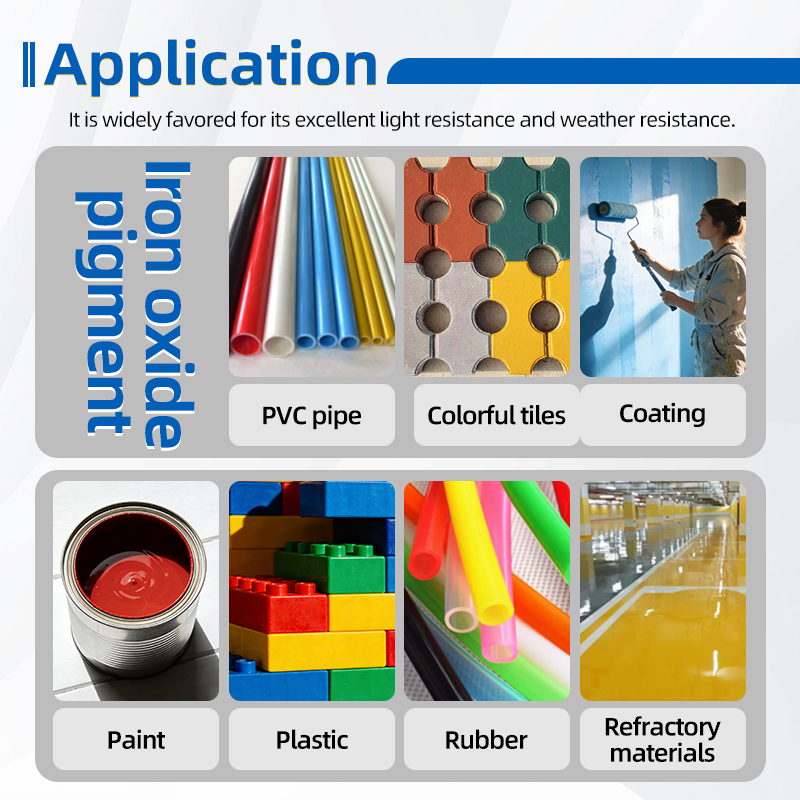
In the construction industry, they are commonly used to color concrete, bricks, and paving stones. By adding iron oxide pigments, these building materials can achieve a wide range of colors, from earthy reds and browns to yellows, enhancing the aesthetic appeal of structures. In paints and coatings, iron oxide pigments serve as key color – providing components. They not only offer rich and vivid colors but also improve the durability and UV resistance of the coatings, protecting surfaces from fading and degradation.The automotive industry utilizes iron oxide pigments to color vehicle finishes, ensuring long – lasting and attractive paint jobs. In the plastics industry, these pigments are added to color plastic products, maintaining their hue even under harsh conditions. Additionally, iron oxide pigments find use in the production of inks for printing, cosmetics for coloring, and art supplies like paints and pastels, thanks to their non – toxicity and stability.
-
Iron oxide pigment for building materials concrete mortar soap textile materials plastic products
Iron oxide pigments are inorganic colorants derived from iron oxides. They come in various colors, including red, yellow, and black, thanks to different oxidation states of iron. These pigments are highly stable, resistant to UV radiation, weathering, and chemicals. Widely used in paints, coatings, plastics, and construction materials, they not only provide rich, long – lasting colors but also enhance product durability, making them essential in modern manufacturing.
-
Iron oxide pigment for building materials concrete mortar soap textile materials plastic products
Iron oxide pigments are inorganic colorants derived from iron oxides. They come in various colors, including red, yellow, and black, thanks to different oxidation states of iron. These pigments are highly stable, resistant to UV radiation, weathering, and chemicals. Widely used in paints, coatings, plastics, and construction materials, they not only provide rich, long – lasting colors but also enhance product durability, making them essential in modern manufacturing. -
Elevate your artistry with the vibrant long-lasting shades of iron oxide pigments: explore the full spectrum of colors today
Application: Iron oxide pigments are highly versatile and are utilized across a wide range of industries. In the construction sector, they are employed for coloring and decorating materials such as concrete, bricks, tiles, and roofing tiles. Their excellent weather resistance, UV stability, and long-lasting color make them ideal for architectural applications. Furthermore, iron oxide pigments are used in plastics for coloring pipes, sheets, and films, and in rubber products like tires and seals, providing both color and reinforcement. They are also found in cosmetics, imparting natural-looking colors to products like foundations, eyeshadows, and lipsticks. Additionally, iron oxide pigments are crucial in the production of colored glasses, glazes, and ceramic decorations, as well as in printing inks and packaging due to their good dispersion and durability. Their applications also extend to soil amendment and fertilizer marking, water treatment, and magnetic materials. With their diverse colors and superior physical and chemical properties, iron oxide pigments play a significant role in numerous industries.
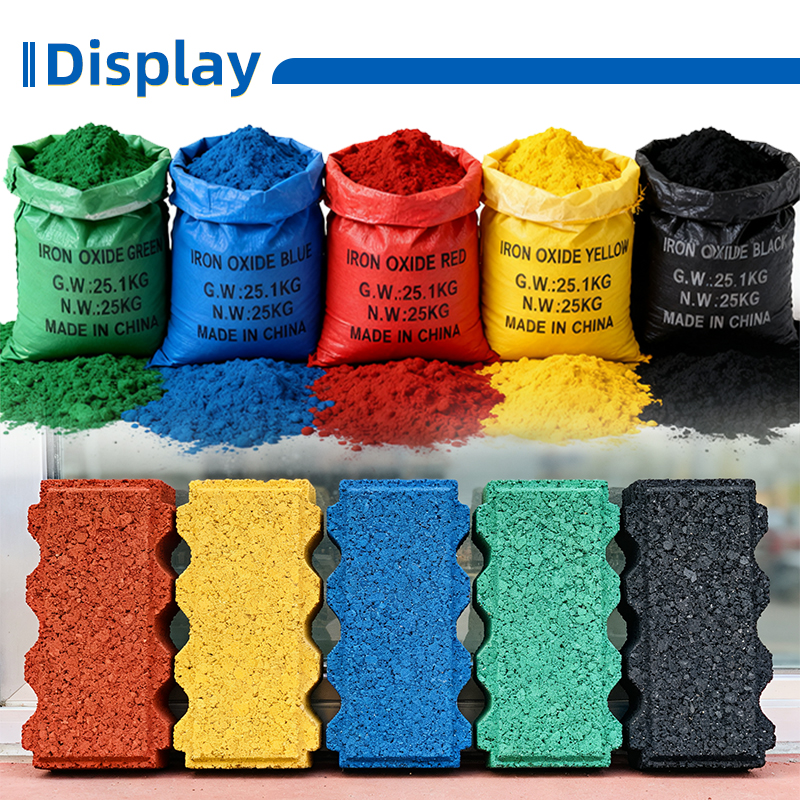
Color: Red,yellow,blue,green,black,white so on.
-
iron oxide pigment for concrete pigment red yellow blue black iron oxide pigment color concrete pavers brick
Application: Used in pigment, paint, coating etc. Also, widely used for Fertilizer coloring, Colour cement, concrete, pavement bricks in construction.
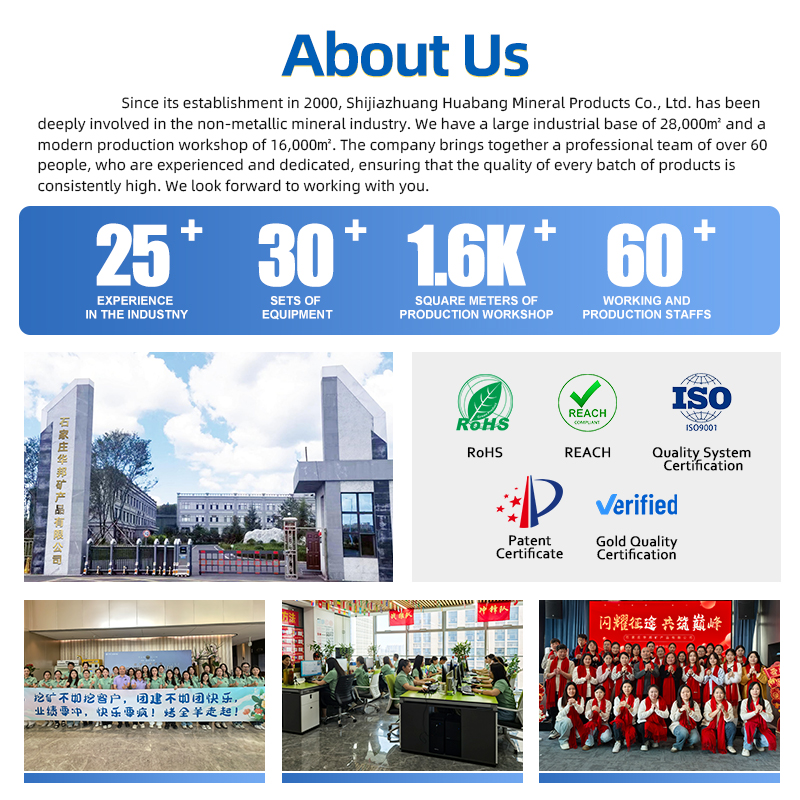
Color: Red,yellow,blue,green,black,white so on.
-
Iron oxide yellow pigment 42 red color for coloring paving blocks
Application: Used in pigment, paint, coating etc. Also, widely used for Fertilizer coloring, Colour cement, concrete, pavement bricks in construction.
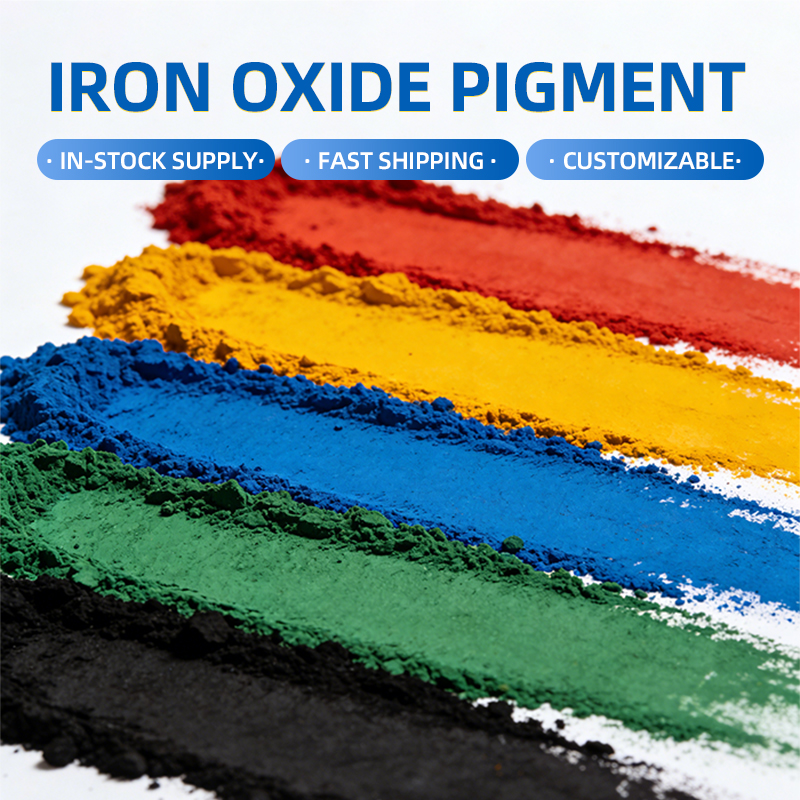
Color: Red,yellow,blue,green,black,white so on.
-
Iron Oxide Red Pigment Yellow for Plastic Masterbatch , Inorganic Pigment Iron Oxide Pigment for Coloring
Application: Used in pigment, paint, coating etc. Also, widely used for Fertilizer coloring, Colour cement, concrete, pavement bricks in construction.
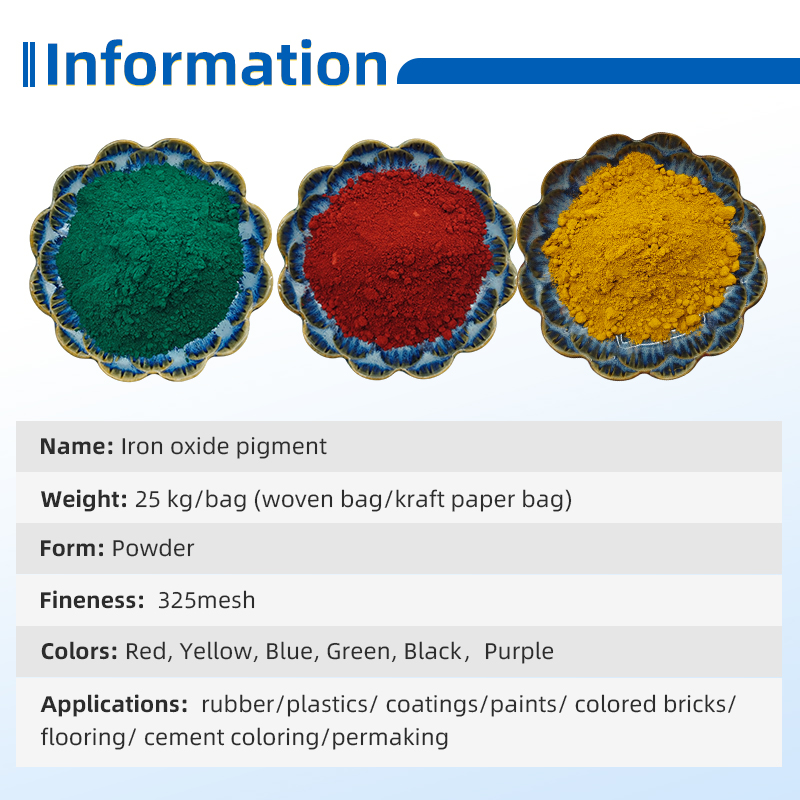
Color: Red,yellow,blue,green,black,white so on.